

How long do ball Joints last, and what can cause them to fail? This write-up answers these questions and more. In addition to discussing their estimated life expectancy and failure causes, we will show how to make them last longer on your car, including driving tips to help prevent their rapid wear or damage. Let’s dive right in.
How Long Do Ball Joints Last?
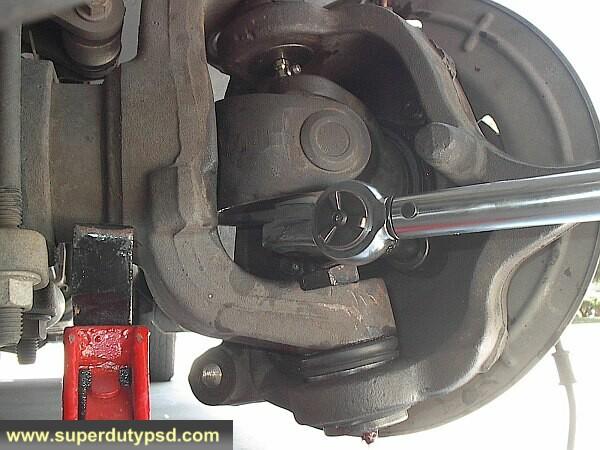
Car ball and socket joints last anywhere between 75,000 and 150,000 miles. Here, we mean the lifespan of the suspension part that connects the steering knuckle and control arm. These are usually mounted in the front suspension, connecting the wheels to the vehicle.
Some vehicles have them in the rear suspension, but this configuration is uncommon. Some only have them on the lower section of the steering knuckle instead of both upper and lower.
The estimated life of these suspension components depends on whether they are load-bearing (lower) or non-load-bearing (upper) or, in other words, their location.
The lower types are more likely to wear first. They’re load-bearing and suffer the most strain when you take corners or apply brakes. They’re also closer to the road and more exposed to dust, debris, and road salts. Etc.
Resource: https://www.ford-trucks.com
How Long Do Ball Joints Last on a Truck?
Truck ball joints will last well over 70,000 miles like any other vehicle type. However, given the usage nature of trucks (longer trips, heavier loads, and harsh road conditions), the lifespan can be shorter.
For example, if you often use your truck off-road, the rubber seals are more likely to get damaged than those of a street-driven car. If your driving is too aggressive, you risk subjecting the suspension parts to increased vibrations and impact forces.
The same applies if you haul too much load – and more frequently. In a nutshell, you can take care of the joints and have them pass the 70,000-mile mark or drive in bad conditions and need to replace them after only a few thousand miles.
It also matters if they are load-bearing. If they are, you’ll likely replace them sooner than if they are not. Below, we briefly examine some things that could wear or damage your car or truck’s ball and socket joints.

Resource: https://www.toyotanation.com
What Causes Ball Joints to Go Bad?
A few things can make your ball joints fail and require replacing, either at the peak of their lifespan or before. They range from frictional wear and seal degradation to breakage due to impact. Here is how they cause damage.
Normal Wear and Tear
Ball joints are mechanical parts, so they will inevitably wear over time. Age-related damage should not occur prematurely, though, before the recommended time for replacement. If that happens, other causes may be to blame.
Harsh Road Conditions
The rubber seal and other parts will quickly break down or waste away if you regularly drive on wet roads or use dusty off-roads with dust and debris. If the road surface is too rough, the wheels’ excessive up/down movement can speed up wear and other damage.
Bad Driving Habits
The joints or the control arm they attach to may break from impact if you hit a curb at speed or run over a pothole when loaded. If you drive fast on uneven ground, the resulting vibrations transfer to the joints, taking a toll on them. Aggressive braking, takeoff, and cornering can also stress the part to accelerate damage.
Carrying Excessive Weight
Excessive weight strains the part, causing it to wear too fast. It can even deform and break if the load exceeds the limit. Excessive weight also involves towing loads and causing the joint and other suspension system components to work harder than they should.
Lack of Maintenance
Lack of proper maintenance can impact the average life of ball joints. That includes not checking them to take preventative actions early on, such as greasing them on time to prevent wear or cleaning the areas around the seals and dust boots.
Improper Installation
The parts can fail due to incorrect installation, lack of skill, not using required tools, etc. An example is when the installer doesn’t correctly torque the part, and it’s too tight or loose. The rubber seal could also get pinched, leading to the entry of dirt and moisture.

Resource: https://www.youtube.com/watch?E7rdCB7ofm4
Are Sealed Ball Joints Better?
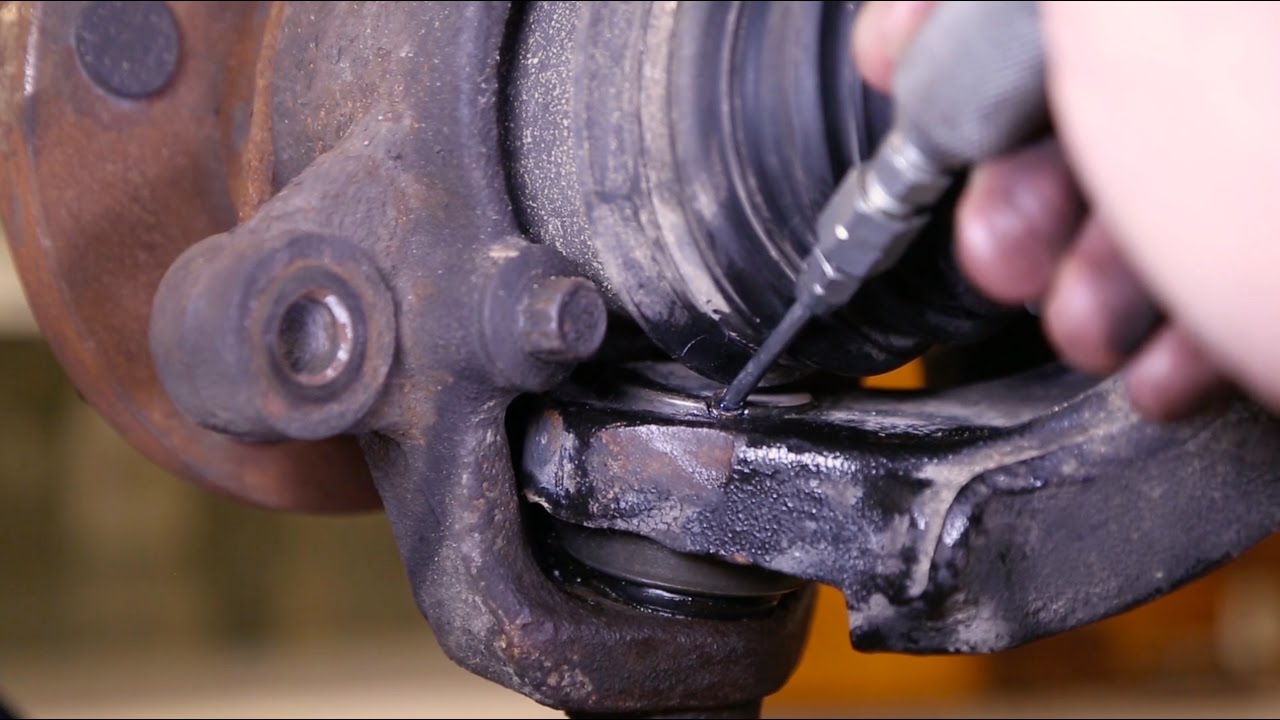
Sealed OEM ball joints do not need greasing over their entire lifespan. They are factory-lubed and supplied with a lubricating plastic bearing. A question that many vehicle owners ask is if they are better than the serviceable types.
Well, if we are talking from a maintenance perspective, the answer is yes, they are. For instance, they will not fail because you forgot to apply lube them. However, the grease will eventually dry out, and the plastic wear down, but that can take a long time.
The greaseable types last quite a long time, especially if you grease them at the right time. So yes, sealed joints are better from a maintenance point of view. However, a lot depends on whether you can take good care of the serviceable types because if you do, they will easily outlast the sealed versions.
Resource: https://www.youtube.com/watch?E7rdCB7ofm4
How to Make Ball Joints Last Longer
Ball joints have an estimated lifespan, but only if you use them under normal conditions. As we have seen, your driving habits and conditions can accelerate wear and cause the part to fail before time.
To extend the average lifespan of ball joints, ensure you regularly inspect them to catch early signs of potential damage, such as dust and debris that may cause the rubber seal to break down.
Clean the areas around the boot to remove old grease and the dirt it may have attracted. Periodically add grease to serviceable types. Avoid over-lubricating them. Only use the recommended type of grease, too.
Too much lube could cause the rubber boot to break down, just as under-greasing could lead to excessive wear. In addition to maintenance, avoid driving your car in bad road conditions. Drive gently, especially on rough roads with bumps and potholes or debris.
Conclusion
Ball joints can last long, especially if they are of superior quality and properly maintained. The dust boot is usually the first part to go, cracking and letting in dirt and other contaminants to cause wear. In our next article, we will look at the signs of damage so you can tell when you need them changed.
WanTuo is your go-to ball joint manufacturer. All our ball joints are crafted from premium materials and designed to withstand the toughest of road conditions, ensuring safety and reliability, mile after mile. Talk to us now to learn more about our parts.